









- One sided adhesive tapes
- Packing tapes
- Coloured - marking tapes
- Electrical tapes
- Office tapes, adhesive tapes
- Slick surface tapes
- Metal adhesive tapes
- Masking crepe tape
- Masking special tapes
- Surface protection tapes
- Foam - sealing tapes
- Anti-slip tapes
- Self-adhesive rubber cut-outs
- Special tapes
- Textile tapes
- Warning and reflective tapes
- Double-sided adhesive tapes
- Electrical insulation material
- Glues
- Flexible stoppers, bumpers
- Velcro straps
- Primers - activators - cleaners
- Accessories for adhesives, applicators
Scanners can streamline a company's operations. You just need to choose correctly
Scanners have come a long way since their introduction to the market. In today's scanner portfolio, we can find simple handheld devices designed for reading barcodes as well as cutting-edge 3D scanners that can effortlessly scan and convert real three-dimensional objects, including buildings, into digital form. However, the problem may not even be the scanning of the Earth's terrain.
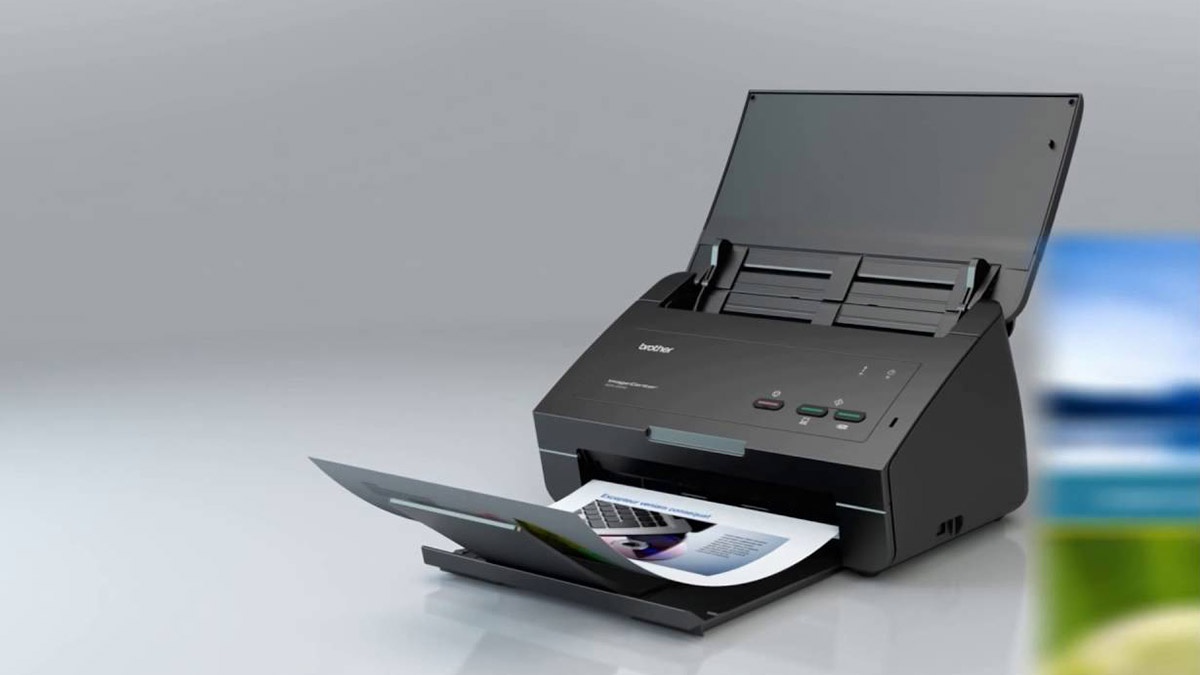
The aforementioned 3D scanners are indeed becoming increasingly popular, but in practice we still more often encounter scanners that are part of home multifunction printers. However, they are also sold as standalone devices and can also be purchased as classic computer accessories. These scanners offer a wide range of applications. We can find them in offices, in photo studios, or in graphic design studios. They can scan documents in the standard A4 size, but scanners capable of scanning documents in A3 format are also available.
A special category is represented by film scanners, which can scan slides or films. Cards, photographs, articles, and brochures can again be scanned with handheld scanners; if you need to scan originals from both sides at once, you can choose devices that are capable of double-sided, virtually unattended document scanning.
Flatbed, sheet-fed, or handheld scanner?
Handheld scanners are currently on the decline because the scanning results are not always optimal, and scanning can also be complicated for some people. Among the best-known and most widely used scanners in terms of design are flatbed and sheet-fed scanners.
Flatbed scanners feature a glass surface on which documents are placed, the scanner lid is closed, and moving scanning devices beneath the glass surface scan the document line by line. In contrast, sheet-fed scanners use a stationary sensor for digitization, so the document itself passes through the scanner.
Scanners save time and, ultimately, money
A huge advantage of sheet-fed scanners is, in particular, the aforementioned possibility of duplex scanning. Companies and businesses are increasingly using duplex printing, which is more environmentally friendly and saves companies considerable financial resources. However, these can also be saved by double-sided scanning.
While scanning double-sided printed sheets of paper requires employees to turn the pages one by one and wastes an unnecessary amount of working time on scanning that they could otherwise use to complete work tasks, with selected scanner models featuring duplex scanning, it is enough to place the documents in the feeder and wait for the device to scan both sides.
BROTHER and EPSON scanners are among the best
An attractive device with duplex document scanning is excellently represented by the BROTHER ADS-2800W DUALSKEN scanner with a color, touch-sensitive, 9.3 cm LCD display, which is equipped with an automatic document feeder with a capacity of 50 A4 sheets.
The scanner was endowed with a scanning resolution of 600 x 600 DPI, with interpolated resolution reaching 1,200 x 1,200 DPI. The device offers 24 scanned pages per minute, making it perfectly suitable even for busy offices. Brother scanners naturally offer several interesting models, but Epson scanners also deserve attention.If you are fond of this brand, the corporate scanner with a 100-sheet document feeder Epson WorkForce DS-870 scanner should definitely not escape your attention. This modern device can scan 65 sheets or up to 130 images per minute. The scanner can process media with a basis weight range from 27 g/m² up to 413 g/m² and can also handle A3-sized paper. The output resolution reaches 1,200 DPI, so the scanner can easily handle scanning even more demanding graphic work. We can also mention software for image enhancement and document management, as well as paper jam protection.